
How Arrest Warrants Work in Beltrami County
An arrest warrant gives an officer the power to take a named person into custody and bring them before a judge. In Beltrami County, a District Court judge signs it after a prosecutor files a complaint laying out supporting facts. The order travels with the case file. It names the person, states the offense, and sets bail and release conditions when the court orders them. Once signed, it can be executed by an authorized officer anywhere in Minnesota under Rule 3.03.
Beltrami County Arrest Warrant Complaints
Probable cause is the threshold that turns an accusation into a warrant, and Minnesota Rule 3.01 spells out how it is met. The facts can come from the complaint itself, from attached documents, or from sworn testimony given to the judge. The standard is a reasonable belief that an offense happened and that this person committed it, not proof beyond a reasonable doubt. Rule 3.01 also favors a summons over a warrant unless the person is unlikely to respond, cannot be located, or poses an imminent harm. A Beltrami County judge weighs those factors when a prosecutor asks for custody instead of a court date. Note: Rule 2 requires the complaint to state the offense and the supporting facts, signed under oath or penalty of perjury.
Arrest Warrants: What They Contain
Rule 3.02 lists what a Beltrami County arrest warrant must contain, and the blank statewide forms add the caption and return details a completed file shows. No live local warrant entry is public, so this inventory comes from the rules and forms rather than from any case.
| Caption | State of Minnesota, District Court, Beltrami County, Ninth Judicial District |
|---|---|
| Defendant Identity | A name or identifying description accurate enough to be certain |
| Offense | The charge described in the complaint or indictment |
| Bail | An amount, if the court sets one |
| Release Conditions | Terms attached to release, if any are ordered |
| Authorized Executor | The officer or agency directed to execute the warrant |
Note: The judge's signature and date make the document effective, and a copy of the return records the service.
Why a Beltrami County Arrest Warrant Stays Private
Minnesota law lets an arrest-warrant index stay confidential until custody, service, or a court appearance, unless an agency decides publishing it serves a public purpose. That rule is why a real Beltrami County warrant can exist with nothing showing on any county page. Confidential, victim, juvenile, and active-investigation material is also withheld. A blank search tests a database, not a case.
How Warrants Get Served in Beltrami County
Serving a warrant is a police act. The officer has to say the warrant exists and name the charge. The paper itself can stay back at the office. Under Rule 3.03, a warrant runs anywhere in Minnesota, and misdemeanor arrests face timing limits unless a judge or the rule's exceptions say otherwise. The Beltrami County Sheriff's Office explains its role as the main agency serving county process. City officers handle process too, inside their own duties.
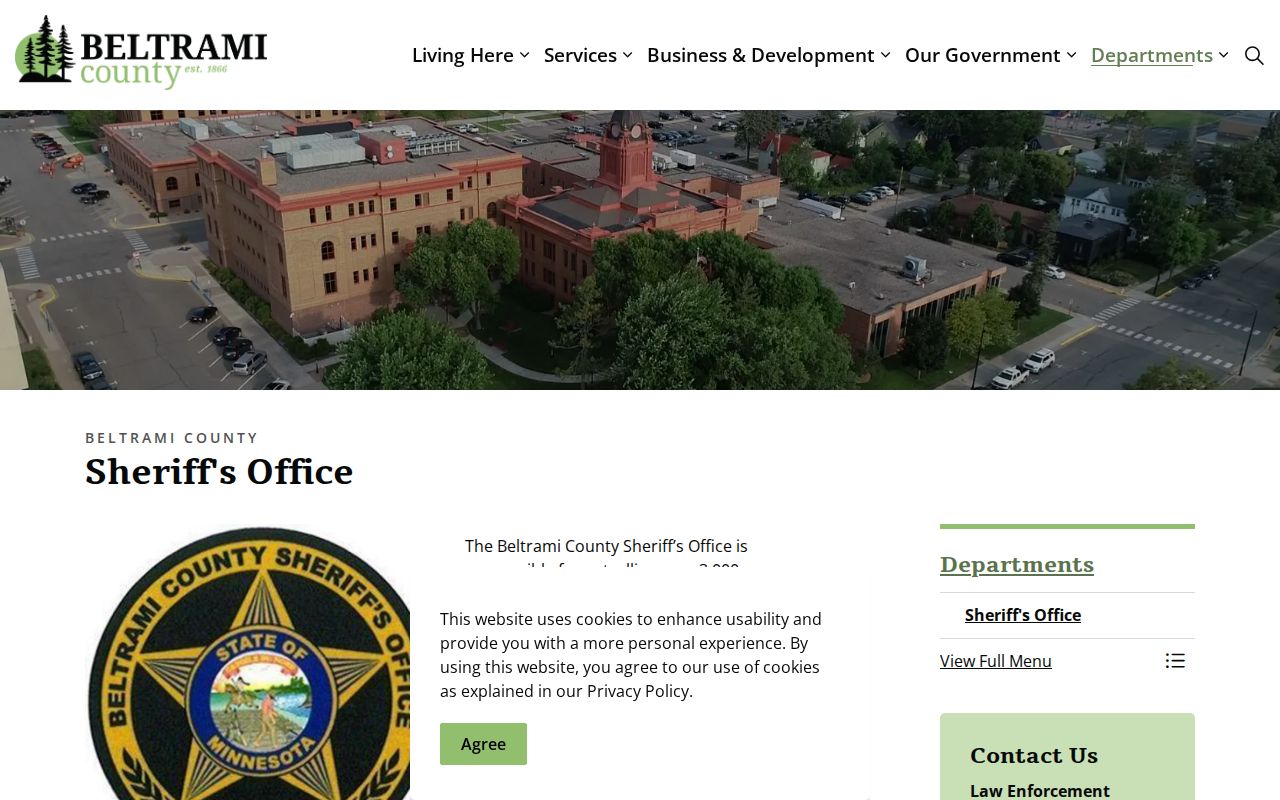
The Beltrami County office that serves a warrant also keeps the arrest and incident records. One records request can often cover both questions.
A Beltrami County Complaint Is Not the Warrant
Two documents move together and get confused constantly in Beltrami County. The complaint is the charging document. It sets out the offense and the facts behind it. The warrant is different: it is the court's order to take the person into custody. A complaint can exist with a summons instead of a warrant, and the outcome turns on the factors in Rule 3.01. That distinction matters because a case number can appear in the court system while no custody order exists. The Minnesota Rules of Criminal Procedure govern issuance in Rules 3.01 through 3.03.
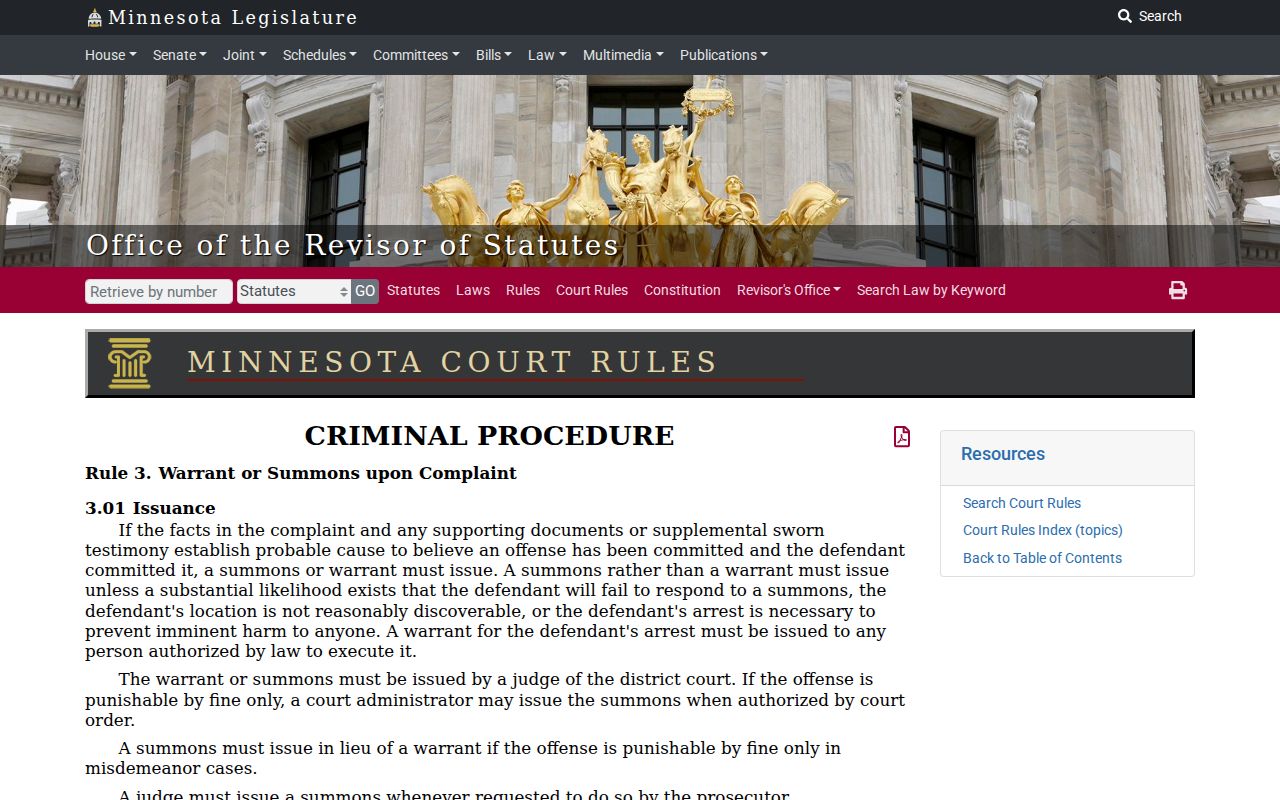
A person should ask which document exists before assuming a warrant does.
Arrest Warrants, Summonses, and Bench Warrants
Three kinds of process reach a Beltrami County case, and each starts differently. A summons tells a person to appear without authorizing an arrest. An arrest warrant follows a probable-cause finding in a complaint or indictment. A bench warrant follows a failure in a case already open, such as a missed date. The last two both end in a court appearance. The paperwork, the bail question, and the resolution route are not identical, though, so know which one you face before deciding what to do next.
| Process | What Starts It | What Follows |
|---|---|---|
| Summons | A complaint where appearance is likely | A scheduled first appearance |
| Arrest warrant | A probable-cause finding | Custody and an appearance before a judge |
| Bench warrant | A missed obligation in an open case | A new date, payment, or recall motion |
Federal Warrants and Beltrami County Cases
A federal arrest warrant does not live in a Beltrami County file. Federal charges follow a complaint or indictment in the U.S. District Court for the District of Minnesota, and the U.S. Marshals Service serves the process. A person who suspects a federal warrant should turn to the federal court, the federal defender, or a private attorney rather than the county warrant session. The federal court lookup for Minnesota lists the divisions covering this area, and that page shows which division handles a given case. A county search cannot clear a federal matter.
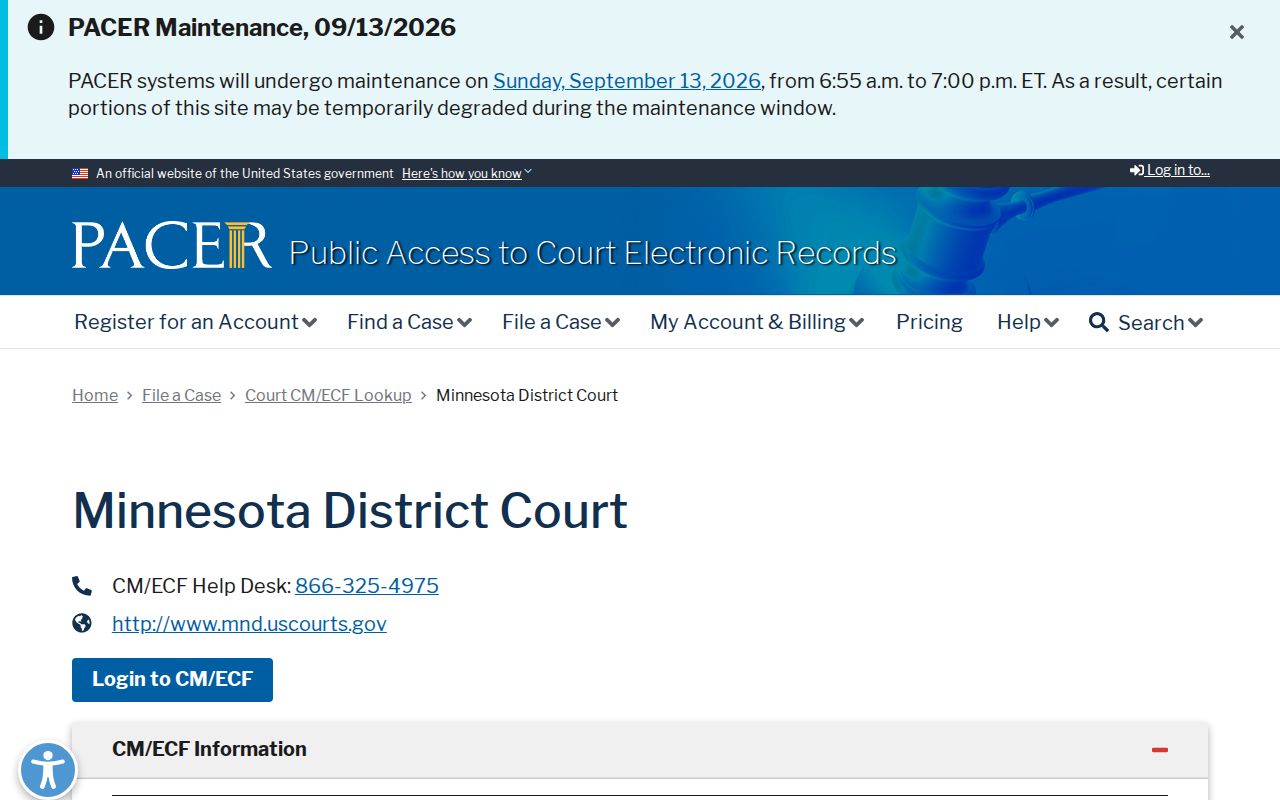
A federal case number is the key to that system. A Beltrami County file number will not find it.
Handling an Arrest Warrant in Your Name
A Beltrami County arrest warrant turns any traffic stop or casual police contact into a possible trip to jail. That risk is why the next move deserves a lawyer's advice rather than guesswork. Court Administration can explain the file, but a Minnesota criminal-defense attorney can weigh a voluntary appearance, the bail question, and whether the facts support a challenge. A motion to recall or quash goes to the judge. It is a real request, not an errand. Anyone who appears should bring identification and the case number, and should expect the release decision to rest with the court.
Important: Speak with a defense attorney before turning yourself in, and never use another person's identity or documents during a stop.
Need steps to deal with a Beltrami County warrant in your name? The county warrant overview covers them, including the Tuesday warrant session.
Beltrami County Juvenile Warrant Records
Juvenile records get special protection. Minnesota Statutes § 260B.171 limits who can see them and how they can be shared. A parent or legal guardian has a defined role. Everyone else has to show legal authority first. So a public warrant search is the wrong tool for a juvenile question. Instead, direct a records request to Court Administration or the sheriff's records office, stating the relationship plainly on the form.